
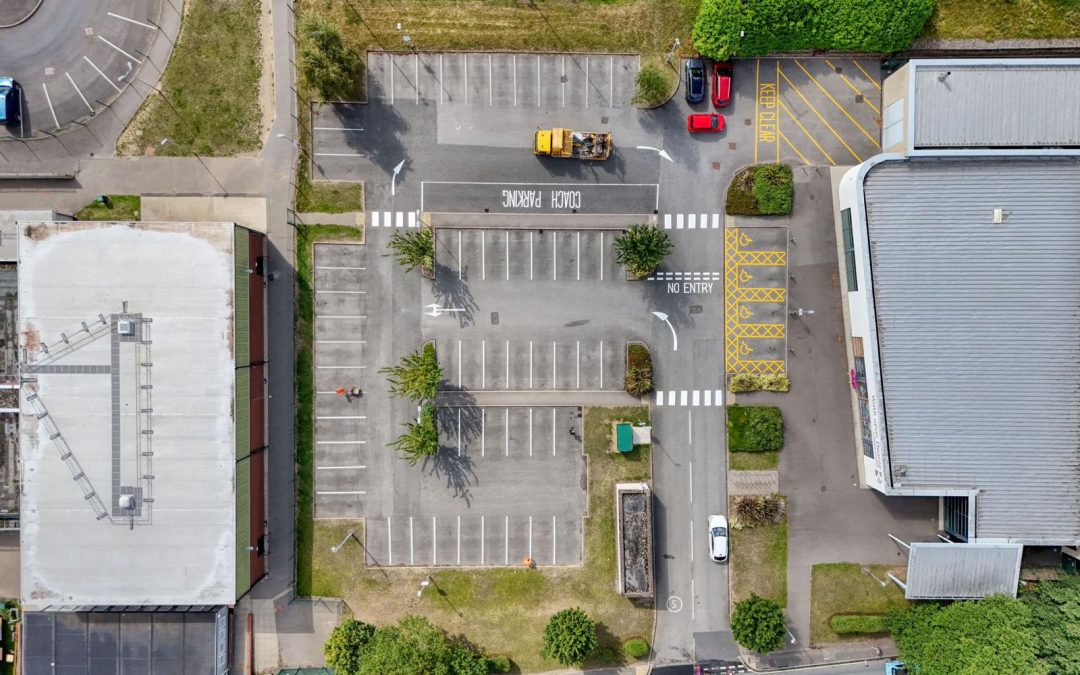
Line marking plays a crucial role in ensuring road safety and streamlining traffic. It helps to guide the drivers in the right direction. However, not all road marking materials offer the same level of durability. By making a comparison between the ordinary paint and the thermoplastic line marking in Birmingham, it becomes possible to know what’s best. Both of these options serve the same purpose. However, one may differ from others in terms of lifespan, performance, and cost-effectiveness.
Difference Between the Thermoplastic and Ordinary Road Paint
Roadmarking Materials
Road paint uses water-based acrylic or solvent. When paint is applied directly to the road, it usually dries quickly. It is a type of marking that is quite easy to apply. However, it fades over time. Therefore, it may be an ideal option for the low-traffic areas that require temporary markings.
Synthetic resins are used to make thermoplastics markings. The glass beads are utilised for their reflectivity, and the pigments for colour. After application to the road surface, it dries and hardens to create a durable layer. It can be utilised for the parking, roads, walkways, cycle lanes and school playgrounds. It offers silent instructions regarding the rules and regulations.
Both materials are safe to use on the road. However, it may vary in terms of performance, durability and cost-effectiveness.
Lifespan and Durability
Various factors, such as traffic volume, maintenance schedule, and climate conditions, may affect the lifespan of line marking.
Standard paint used for line marking usually lasts about 6 months to a year. If it is applied to a high-traffic area, it may wear out quickly. It happens due to excessive sun exposure, tyre friction, and chemical spills. In colder climates, snowploughing and frequent snowfall may further shorten the life of the markings.
Thermoplastics are long-lasting. Therefore, it may last for about 3 to 5 years. However, it may even last longer with proper maintenance. The inclusion of glass beads and a thicker material makes it wear and fade-resistant.
When it comes to longevity, thermoplastics clearly outlast the traditional paint. It helps create a robust structure that can withstand harsh weather conditions, UV exposure, and heavy traffic better than paints.
Cost and Maintenance
At first glance, ordinary road marking paint seems affordable. It may require less upfront investment and minimal equipment. However, it may lead to frequent maintenance, especially when applied in a high-traffic area. Repainting the location a few times may lead to higher cumulative costs.
In comparison, thermoplastic may entail higher installation costs, especially due to the need for expert professionals and heating equipment. However, it usually leads to a longer lifespan and fewer maintenance services over the years. Therefore, it becomes possible to save money in the long term. It also helps improve the return on investment.
Visibility and Performance
If the line markings are visible, it may be possible to ensure better road safety. It is important to see whether these markings are clear in the day and at night. It is better to keep an eye on the marking during poor weather conditions.
Paint provides visibility. However, it tends to fade more quickly, which may lead to confusion and accidents. On the other hand, thermoplastic comes with glass beads. Therefore, it can guarantee a better nighttime visibility.
For more information on line marking in Birmingham, you can get in touch with the experts from Tomras Road Markings.